Detroit Beat: Building a Freestyle Trap Instrumental
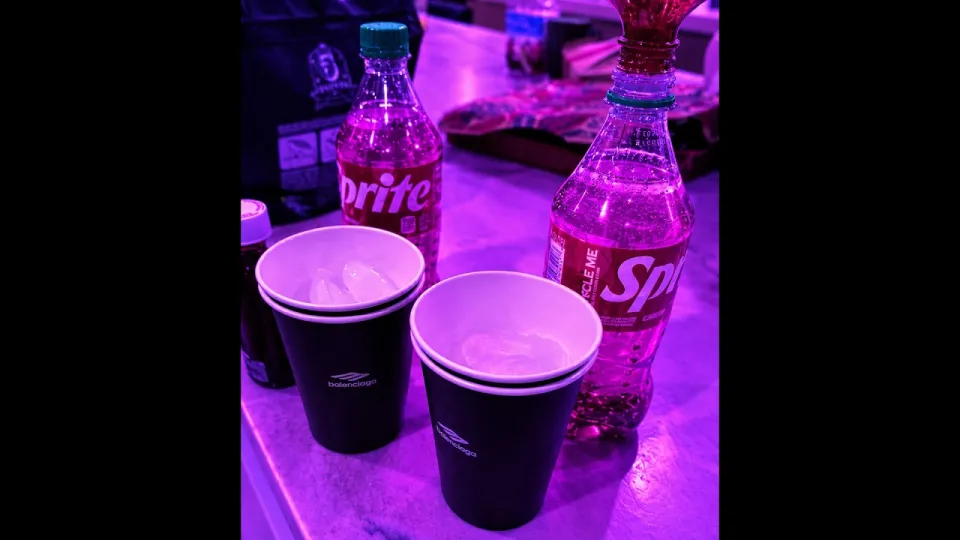
Video: [FREE] Freestyle Detroit Sample Type Beat - "BLACK CUP" | Trap Instrumental 2026
Want articles like this for your own video to promote it on YouTube and Google? Order them through the Telegram bot @sat_sit_bot. It writes articles around your video, embeds the video and publishes them on popular niche websites (no ads). Your first 50 articles are free.
· based on the channel Drezly
Key takeaways
- A Detroit beat blends Detroit rap's sample-driven grit with modern trap drums, 808 bass and fast hi-hat rolls.
- "BLACK CUP" is a free freestyle Detroit sample type beat produced by Drezly, published on 9 October 2026.
- Free use covers non-monetized, non-profit uploads only, with credit "Prod. Drezly" in the title.
- Streaming release requires a paid license; untagged files and exclusive rights are available via BeatStars and WhatsApp.
- A common critique of type-beat catalogs is repeated basslines, so switching patterns per track keeps a set fresh.
A Detroit beat is a trap instrumental built on the sample-heavy, low-slung sound of Detroit rap, with punchy 808s, rolling hi-hats and dark melodic loops. The free freestyle Detroit sample type beat "BLACK CUP" by producer Drezly is a working example of that formula, and the untagged high-quality file is available through the buy link on BeatStars under a buy-2-get-1-free offer. This guide breaks down what makes the style tick, how to use such a beat legally, and where the common pitfalls are.
What defines a Detroit beat in trap production
A Detroit beat is recognizable by its sample-first construction: a short, often filtered loop carries the melody while the drums stay sparse and heavy underneath. In practice the style borrows from two lineages at once — the chopped soul and funk sampling of classic Detroit rap records, and the triplet-driven drum programming of modern trap. The result is a beat that feels dusty on top and modern at the bottom.
Key ingredients you will hear in most Detroit trap type beats:
- A melodic loop, usually a guitar, piano, string or vocal chop, pitched and filtered rather than played clean.
- Hard 808 bass that glides between notes and carries the low end instead of a separate sub layer.
- Kick patterns that lock to the 808, with the kick often doubling the bass hit.
- Fast hi-hat rolls, including triplets and occasional open-hat accents, for movement.
- Minimal percussion beyond claps, snares and the occasional rim or shaker, leaving space for the vocal.
- Tempo in the 130–150 BPM range counted in half time, which reads as roughly 65–75 BPM to a rapper.
A freestyle type beat adds one more constraint: the arrangement stays open. Long loop sections, few drops and no crowded switch-ups let an artist record a full verse without fighting the beat. That is exactly the brief "BLACK CUP" follows — a sample-driven freestyle Detroit sample type beat labeled as a trap instrumental, produced by Drezly and published on 9 October 2026.
How "BLACK CUP" fits the freestyle Detroit format
The "BLACK CUP" instrumental is built for recording rather than for a beat showcase, which shapes its structure. The loop repeats long enough to establish a mood, the drums enter with weight rather than a busy fill, and the low end is designed to sit under a vocal instead of competing with it. For a rapper, that means the beat gives a clear pocket from the first bar.
What to listen for when you open the file:
- The sample loop sets the key and the emotional register; check whether your vocal range sits above or inside it.
- The 808 pattern defines the groove; write to the bass movement, not against it.
- Hi-hat subdivisions tell you where the flow can accelerate; triplet rolls mark natural spots to switch cadence.
- The arrangement leaves room for a hook — a freestyle beat usually has enough empty space to double a chorus without a full beat switch.
Because the beat is offered as a free download for non-monetized use, it works well as a writing tool, a demo track or a SoundCloud and YouTube drop. The producer's catalog and other Detroit trap type beats sit at the Drezly BeatStars store, and short updates appear on Instagram.
Licensing a Detroit type beat without losing your upload
A free type beat is not the same as a royalty-free beat, and misunderstanding that is the most common way artists get a track taken down. In the case of "BLACK CUP", the terms are explicit: the beat is free for non-monetized, non-profit use, and credit must appear in the title as "Prod. Drezly". The moment a song goes to digital streaming platforms, a license is required — otherwise the release is subject to takedown.
A practical order of operations:
- Download the tagged or free file and write and record the song.
- Credit the producer in the title for any non-profit upload, exactly as specified.
- Decide the release route: streaming, monetized video, or exclusive.
- Buy the appropriate license and swap in the untagged, high-quality file before release.
- Keep the receipt and license terms on file in case a distributor or platform asks for proof.
Licensing questions, stems and custom beat requests go through WhatsApp at https://bit.ly/3AiDL3K, and untagged purchases run through https://bsta.rs/cgTWPW, where the buy-2-get-1-free bundle applies. Exclusive licenses are handled separately from the standard lease, so ask before you build a whole project around one instrumental.
Common questions from producers and artists
Most doubts around Detroit type beats fall into a few repeatable categories: whether the free file is really free, whether a lease covers streaming, and whether a catalog sounds too uniform. Each has a concrete answer.
Free versus licensed. The free tier exists for practice, demos and non-monetized uploads with credit. Streaming distribution, monetized content and any commercial use require a paid license. If a track is already live and gets flagged, the fix is to license it or pull it — not to re-upload under a different title.
Untagged versus tagged. Tagged files are for writing and auditioning. Untagged, high-quality files come with a purchase and are the version you actually release.
Sound consistency. A frequent and fair critique of type-beat catalogs is that the same bassline or 808 pattern reappears across tracks. Variety in the low end — different glide patterns, different root notes, occasional 808 rests — is what separates a producer with a signature from one with a formula. When auditioning a pack, listen specifically to the bass movement across five or six beats rather than to the melodies alone.
Matching a beat to a vocal. Detroit beats tend to sit in minor keys with dense low mids. If your vocal is low and thick, look for loops with more high-end space; if your delivery is high and fast, a busier hat pattern will support it better than a sparse one.
Using a Detroit sample beat in your workflow
A Detroit sample type beat is most useful when treated as a writing constraint rather than background music. Set the tempo, loop the section with the fullest drums, and write a 16 without stopping; the sample's rhythm will push phrasing in a way a metronome will not. Once the verse exists, mute the loop and check whether the vocal still holds rhythm on its own — if it does, the pocket is real.
For recording, track over the untagged file, keep the 808 mono and centered, and leave the sample loop wide. If you plan to release, confirm the license tier covers your distribution scope before you mix, because the license determines whether the beat can appear on streaming platforms at all. Producers building their own Detroit beats should also vary the low end between tracks: reuse the drum palette, change the bassline, and the catalog stops sounding repetitive.
Useful links
- Untagged license and buy-2-get-1-free offer: https://bsta.rs/cgTWPW
- Full beat store: https://www.beatstars.com/drezly
- Instagram updates: https://www.instagram.com/drezlyy
- Licensing, stems and custom beats via WhatsApp: https://bit.ly/3AiDL3K
Final thoughts on the Detroit beat format
The Detroit beat works because it refuses to choose between sampled grit and modern trap weight, and "BLACK CUP" is a clean demonstration of that balance in a freestyle format. Its value to an artist is speed: an open arrangement, a clear pocket and a sample that sets a mood in the first bar. The trade-off is legal, not musical — free means non-monetized and credited, while any streaming release needs a paid license. Drezly's catalog is worth auditioning with that in mind, listening for bassline variety as much as for melody. If the beat fits, secure the untagged file through the BeatStars purchase link before you plan a release.
Source: [FREE] Freestyle Detroit Sample Type Beat - "BLACK CUP" | Trap Instrumental 2026 · Markdown version
Questions & answers
Is the "BLACK CUP" Detroit beat really free to use?
It is free for non-monetized, non-profit use only, and you must credit the producer in the title as "Prod. Drezly". Any release to digital streaming platforms requires a purchased license, otherwise the track is subject to takedown.
What license do I need to put a Detroit type beat on Spotify?
You need a paid lease or exclusive license that covers streaming distribution, not the free tier. Buy the untagged high-quality file, keep the license terms on file, and confirm the distribution scope before you upload through a distributor.
Why do many Detroit type beats sound similar in the bass?
Producers often reuse a familiar 808 pattern because it sits well under vocals, which makes catalogs feel uniform. When auditioning beats, compare the bassline movement across several tracks and ask for custom work if you need a different low end.
Can I get stems or an exclusive license for this instrumental?
Yes. Stems, exclusive rights and custom beats are handled directly by the producer, and licensing questions can be sent through the WhatsApp contact listed with the beat. Exclusive deals are negotiated separately from standard leases.